
With the technology always evolving, now we have arrived at the point where a machine can do what humans can and can’t do. Artificial Intelligence, or AI, is now part of human life, especially for marketers.
Sometimes marketers (and non-marketers) only think about content generation while heard the word AI

AI can help you with generating images, writing captions, or social media posts. But the world’s most successful brands are using AI very differently. They use AI to create emotional experience, encourage participation, personalize interactions, strengthen storytelling, and improve strategic execution.
AI works best when it supports branding systems, not when it replaces branding strategy.
This is why companies like Heinz, Coca-Cola, Nike, and Sephora achieved strong results with AI campaigns. They succeeded because AI helped customers feel involved, emotionally connected, and personally engaged with the brand.
Heinz: Turning AI Into Cultural Proof
Heinz embraced the rise of generative AI with a surprisingly simple question:
“What does AI think ketchup looks like?”
Using DALL·E 2, Heinz generated imaginative ketchup visuals with prompts like “ketchup in outer space.” What made the campaign powerful was how Heinz transformed AI into social participation.
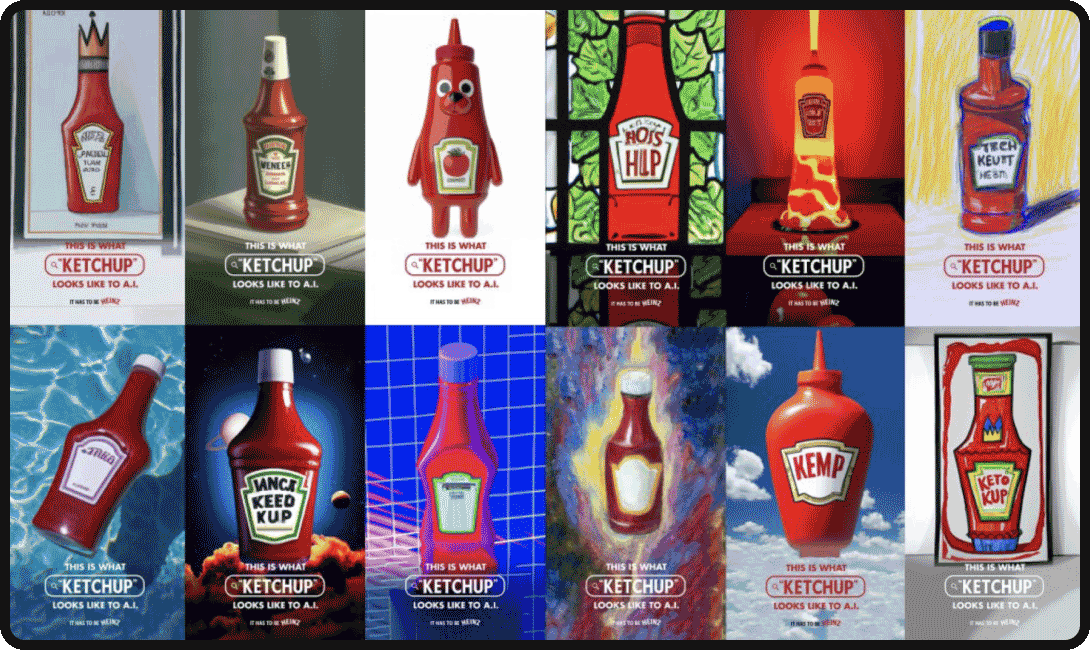
Customers were encouraged to create and share their own AI-generated ketchup images online. The campaign quickly spread globally and generated over 1.15 billion earned impressions across markets, including China, Brazil, and Chile.
AI consistently generated ketchup bottles that resembled Heinz branding, even without directly prompting it. This reinforced Heinz’s position as the dominant visual identity associated with ketchup worldwide.
Instead of using AI merely for content production, Heinz used AI to validate its cultural relevance.
Coca-Cola: AI as a Participation Experience
Coca-Cola approached AI differently through its “Create Real Magic” campaign. They invited digital artists worldwide to co-create artwork using an AI-powered platform developed by the company.
Selected artworks were then displayed on Coca-Cola billboards in Times Square, New York. Additionally, 30 creators were invited to Coca-Cola’s headquarters for a creative workshop.
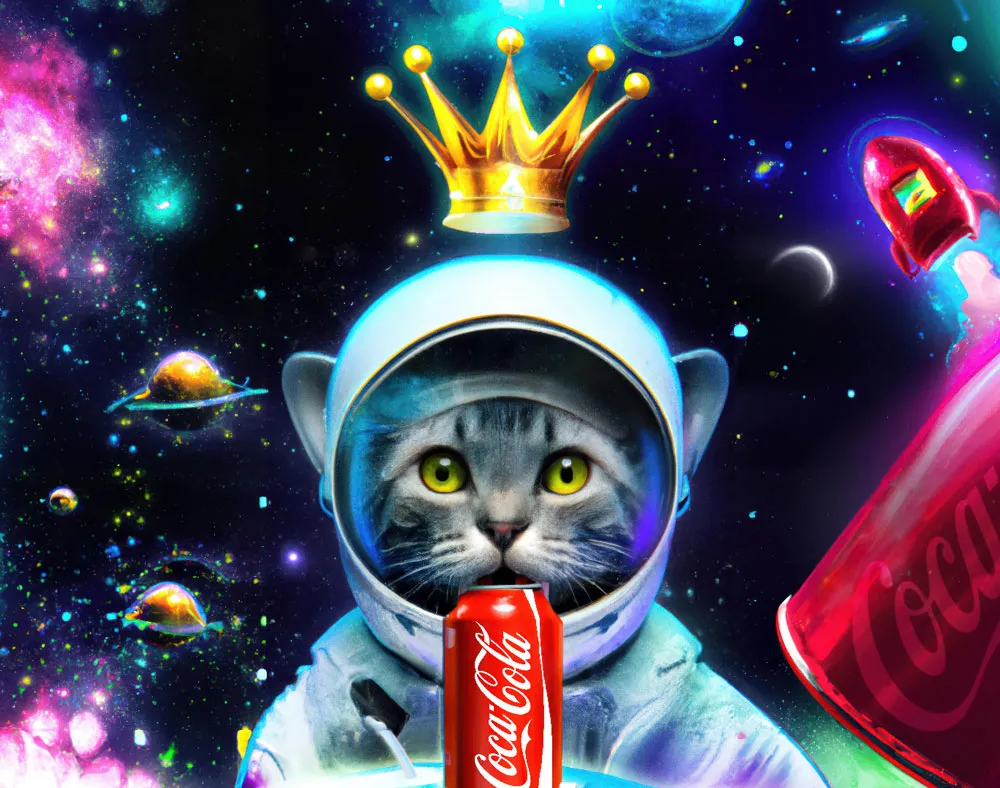
This campaign succeeded because customers and artists became part of the branding process itself, and it shows that AI could become a creative participation tool, not just a productivity tool.
Nike: AI-Powered Personalization
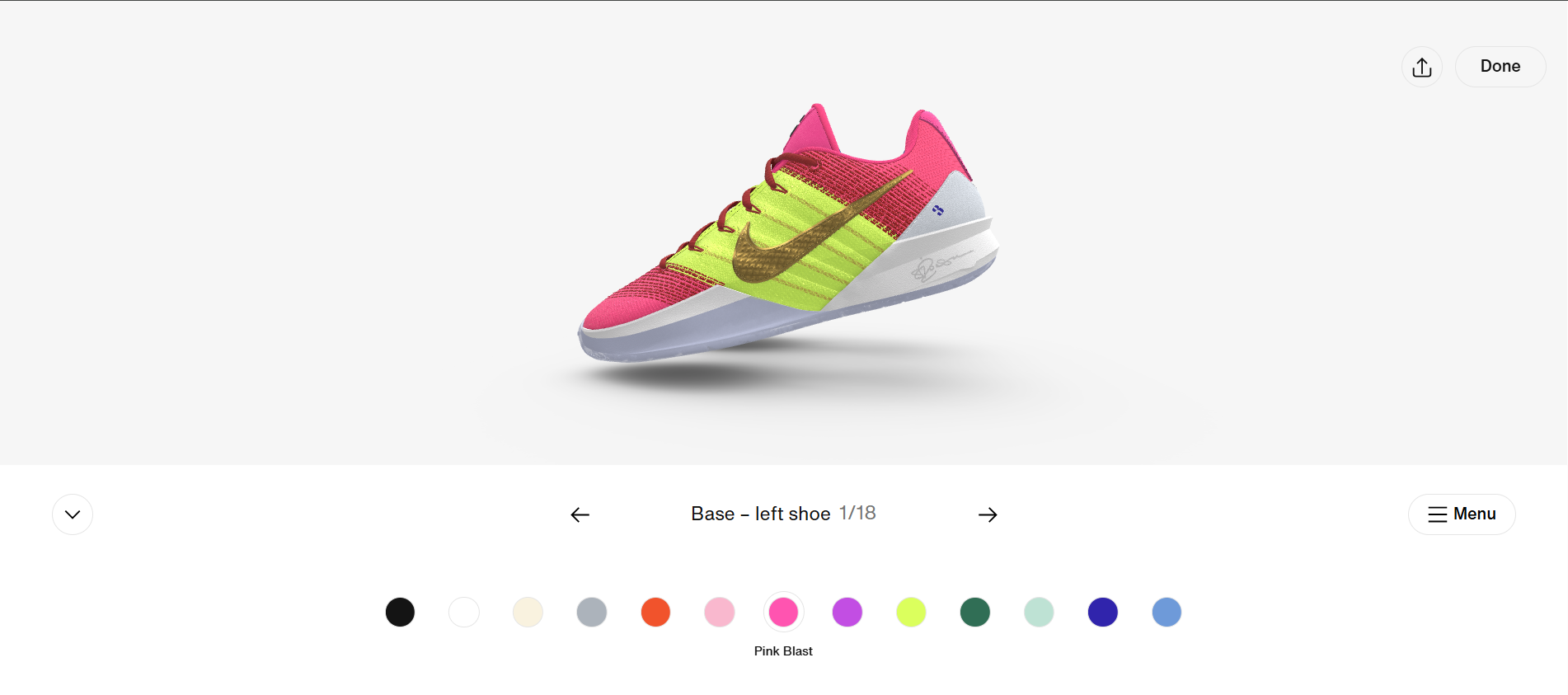
Nike’s “By You” campaign demonstrates another powerful use of AI branding. Instead of focusing on AI-generated content, they used AI-powered personalization systems that allow customers to design their own shoes online and in-store.
Customers can customize colors, patterns, and styles based on their preferences, turning the buying process into a highly personal experience.
This strategy achieved two important things.
- It increased customer emotional attachment because people felt ownership over the final product. Second, Nike gained valuable consumer preference data that can guide future product development.
- The lesson here is that AI can strengthen branding by making customers feel personally involved in the product journey.
Sephora: Reducing Customer Uncertainty With AI
Sephora’s Virtual Artist campaign is one of the strongest examples of AI improving customer confidence.
Using AI and augmented reality technology, Sephora allows users to virtually try makeup products before purchasing. The system analyzes facial features and skin tones to provide personalized recommendations.
This campaign improved customer engagement significantly while also reducing uncertainty and product return rates.
It helps customers feel more confident when making purchasing decisions because they can visualize the products before buying. It also shows that branding can be successful by making customers feel safer and more informed during the buying journey.
Challenges and Limitations of AI Marketing Campaigns
Despite its potential, AI still comes with important challenges that businesses must understand.
- Fact-Checking Still Matters
Large Language Models can occasionally generate inaccurate information or “hallucinations.” Businesses should always verify AI-generated outputs before using them publicly. - Data Privacy and Ethics
AI systems rely heavily on consumer data. Businesses must ensure responsible data usage and comply with privacy regulations, especially when handling customer personalization. - Bias in AI Systems
AI tools can reflect biases from the datasets they are trained on. This can lead to misleading recommendations or unintended brand risks if not monitored carefully. - Investment and Learning Curve
Adopting AI effectively requires a proper strategy, training, and integration into existing workflows. Businesses that use AI without direction often struggle to generate meaningful results.
However, AI technology is evolving rapidly. As costs decrease and tools improve, AI branding strategies will become increasingly accessible for Singapore SMEs and regional businesses.
How iKen Marketing Can Help
Many businesses today use AI only to generate content quickly. They don’t realize that speed alone doesn’t create brand trust, emotional connection, or customer loyalty.
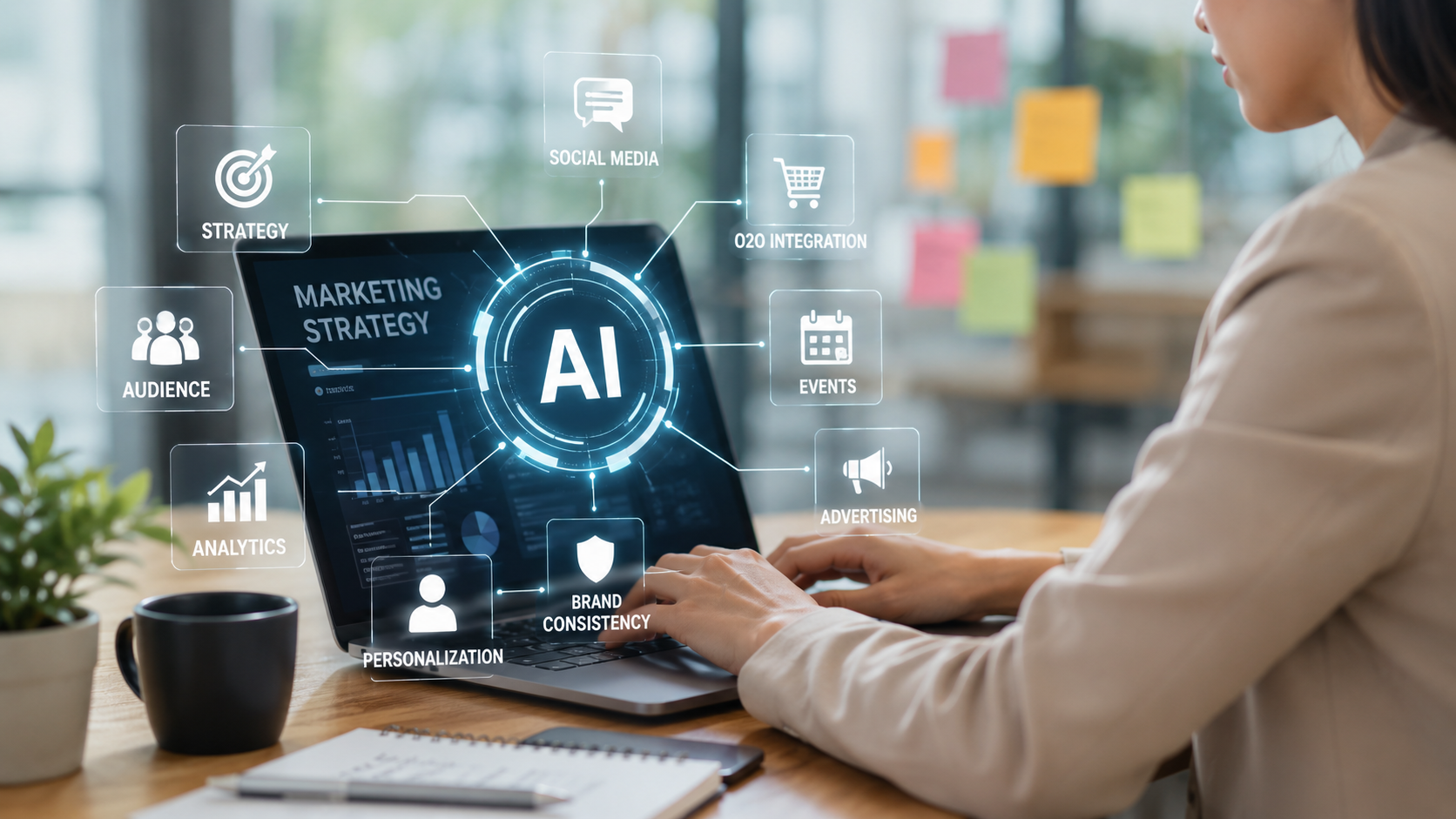
At iKen Marketing, we believe AI should strengthen branding systems, not replace human creativity. Our approach focuses on integrating AI strategically into a complete end-to-end marketing ecosystem.
- AI-assisted branding strategy
- AI-supported customer personalization
- Social media content optimization
- O2O marketing integration
- Event engagement campaigns
- Digital advertising and analytics
- Branding consistency across platforms
Most importantly, we help Singapore businesses align AI usage with their actual business goals, target audience, and customer behavior.
Closing
AI marketing doesn’t replace branding work. Successful brands use AI to make branding experiences more emotional, participative, personalized, and memorable.
Heinz used AI to reinforce cultural recognition. Coca-Cola used AI to encourage participation. Nike used AI to personalize products. Sephora used AI to reduce uncertainty and improve confidence.
For Singapore businesses, the future of branding is about building stronger experiences powered by smarter systems.
At iKen Marketing, we help brands combine strategy, creativity, AI, and customer experience into one connected marketing ecosystem that drives sustainable business growth.