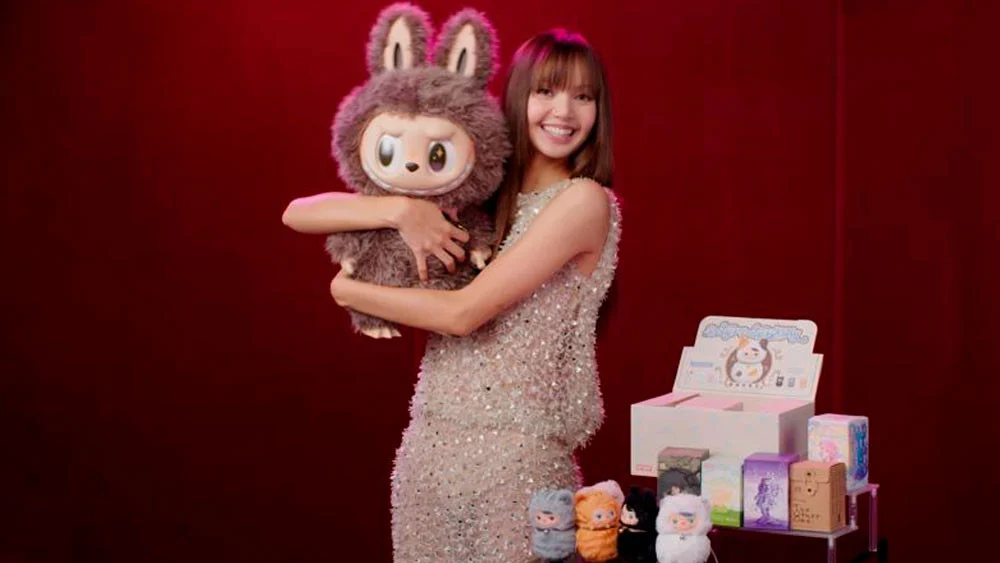
Lisa from BLACKPINK did the unthinkable to Labubu. She promoted Labubu, and then Labubu & Pop Mart suddenly went viral and rose in global popularity.
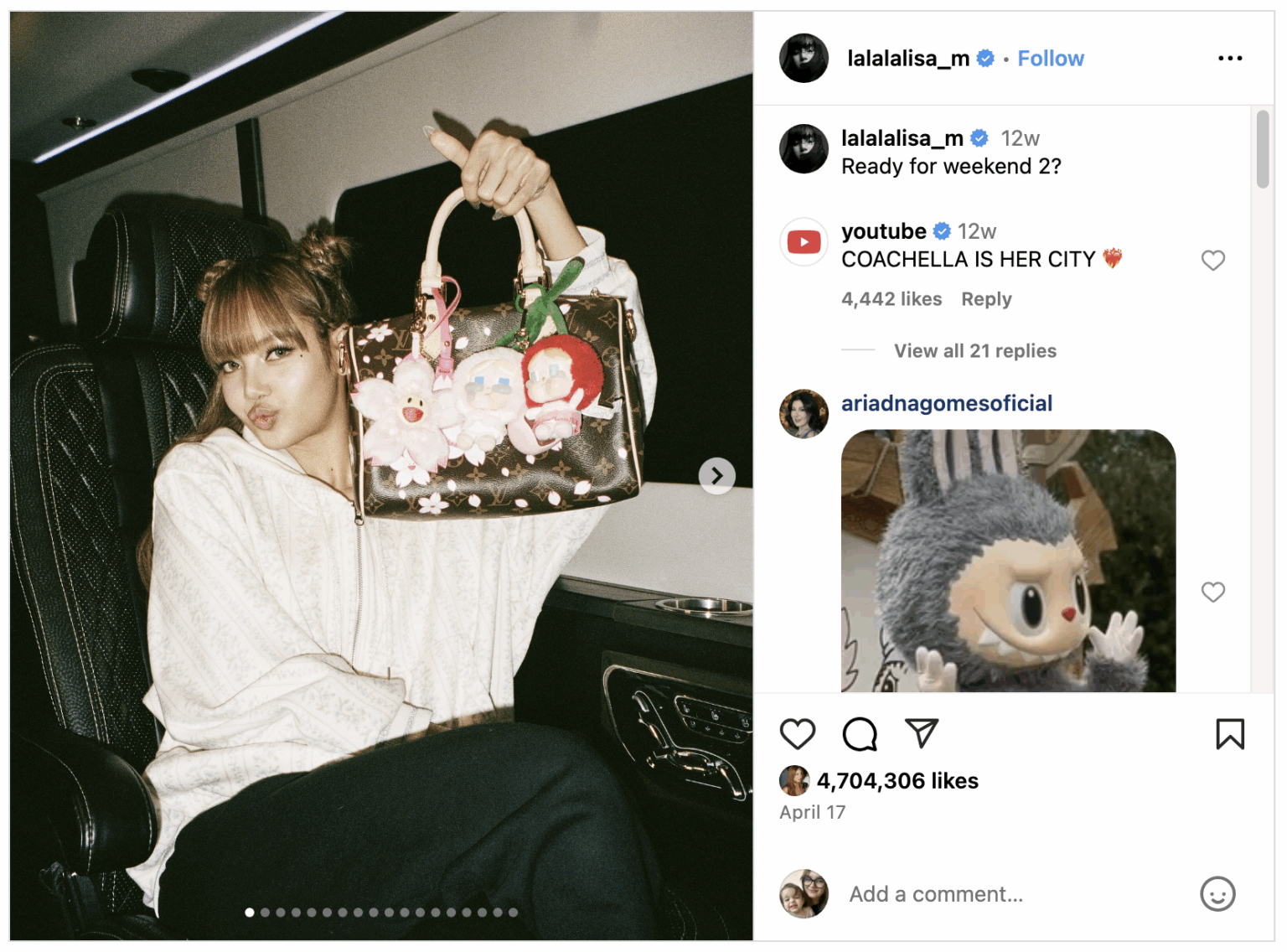
However, it may seem that Pop Mart did a collaboration with Lisa, while the truth is: they did not. Lisa inadvertently promoted Labubu. So did Rihanna, Dua Lipa, Kim Kardashian, or David Beckham. What happened was more subtle and far more powerful. These celebrities showed personal interest in Labubu, turning it into cultural relevance rather than advertising.

This distinction matters. Fans did not perceive Labubu as something being sold to them. Instead, they saw it as something naturally embedded in popular culture. Trust was formed not through marketing messages, but through observation. If someone they admire genuinely owns it, the product feels authentic.
The real lesson is not about virality. It is about whether a brand is structurally prepared when attention arrives.
Pop Mart, Labubu, and Why Virality Was Not an Accident
The virality behind Labubu was not an accident. It was already engineered to become viral. There is limited information on how Pop Mart advertised Labubu before Lisa’s post. What we can observe is how Pop Mart had already built before that moment.
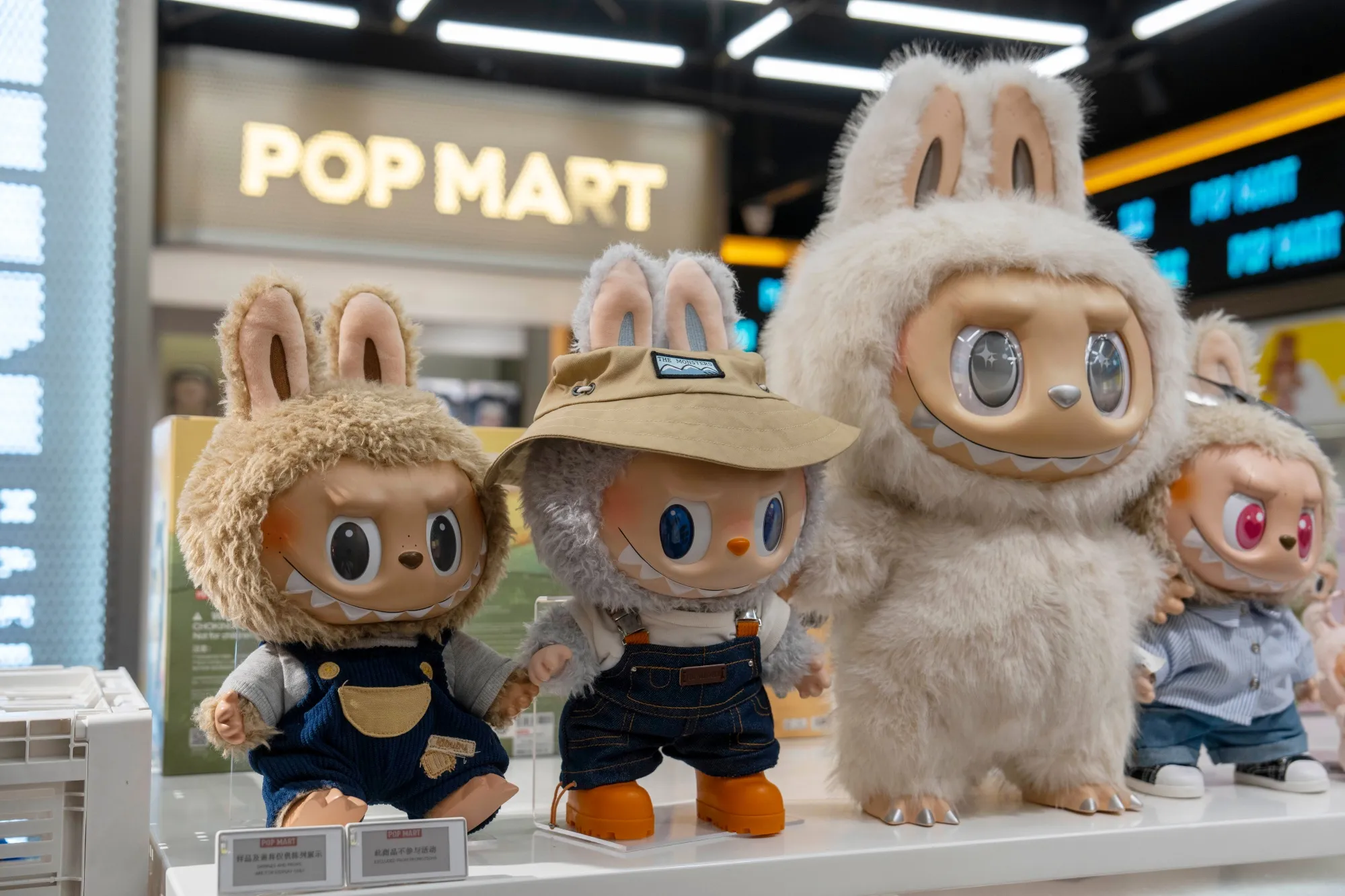
Before Lisa, Labubu already had three strong foundations:
- A wide physical retail presence
- A blind box product design
- An existing collector community
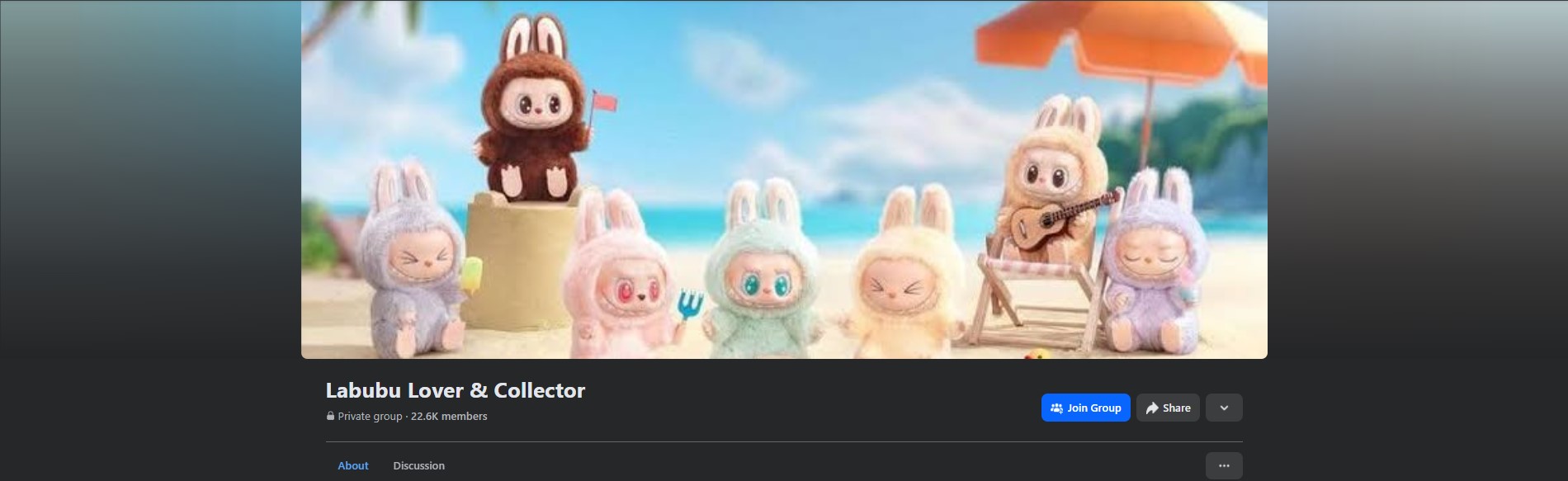
Those elements allowed Pop Mart to absorb sudden attention without breaking its operations or brand consistency.
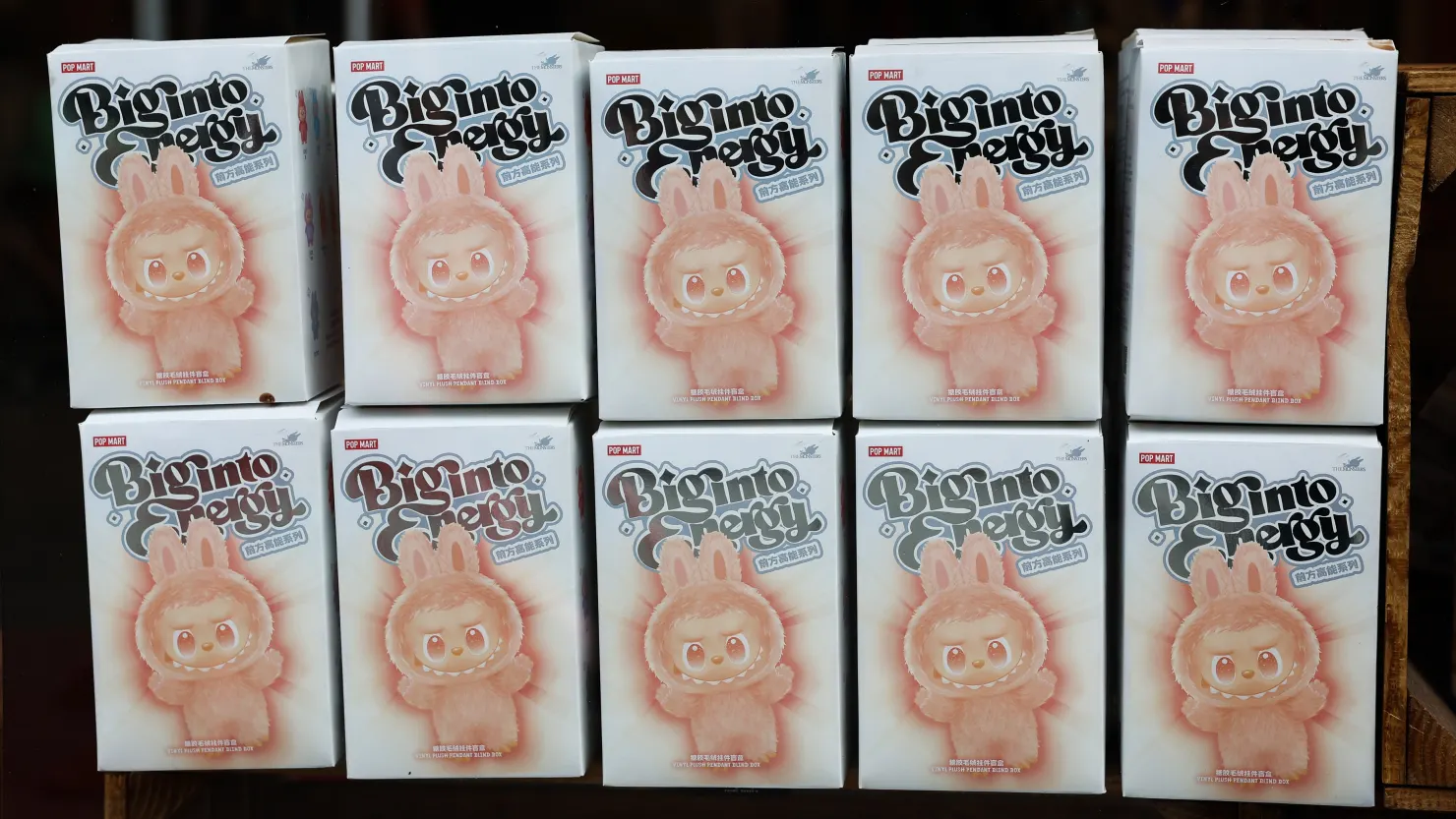
Online, Pop Mart does not treat social media as the starting point. The blind box experience itself is the engine. A blind box is a sealed package where buyers do not know which Labubu variant they will receive. Each series, such as The Monsters, Fairy Tale, or seasonal editions, typically includes 12 to 13 different figures, with one rare secret edition that can have odds as low as 1 in 72.
This structure creates curiosity before purchase, tension during unboxing, and emotional payoff after the reveal. Because the outcome is uncertain and socially comparable, customers feel a natural urge to document the moment. Unboxing videos were not requested or incentivized. They emerged because the product experience was built around mystery and rarity. Social platforms simply became amplification channels, not the core strategy.
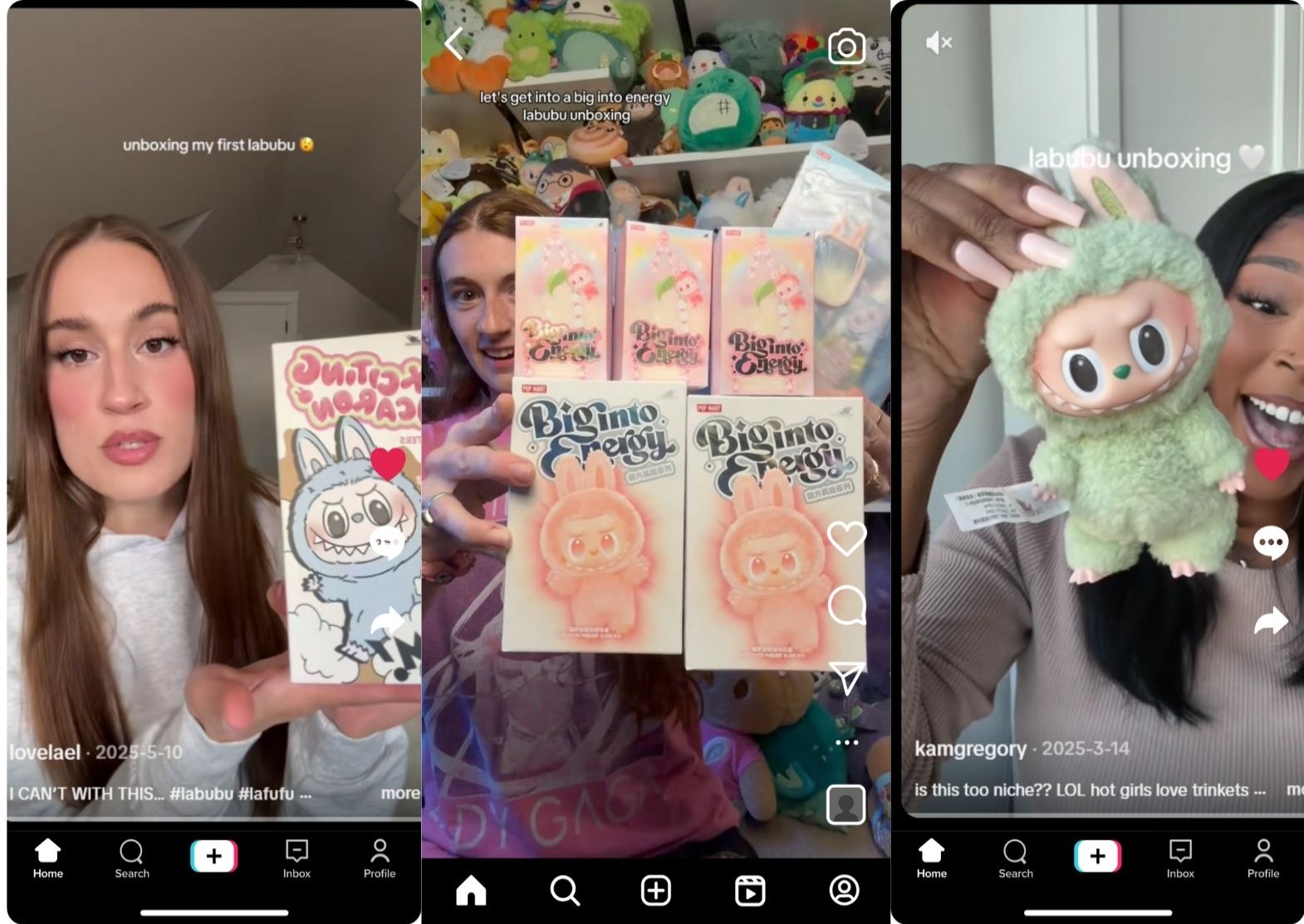
This is why Labubu is content-friendly by design. The mystery, excitement, and entertainment are embedded in the product itself. Customers became free marketers, generating massive amounts of user-generated content without paid media.
Offline, Pop Mart doubled down on FOMO. Stores were not just places to buy toys. They were designed as experiences worth sharing.
Offline Execution, Localization, and Cultural Positioning
Pop Mart’s offline strategy emphasizes how end-to-end marketing works great in their campaign. Instead of using the same format globally, they localized both the stores and the products.
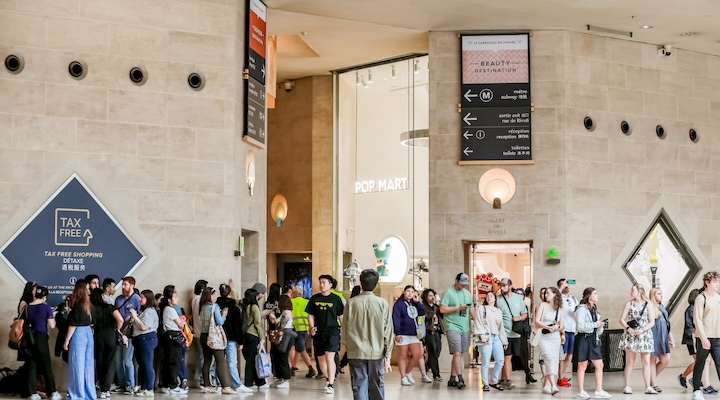
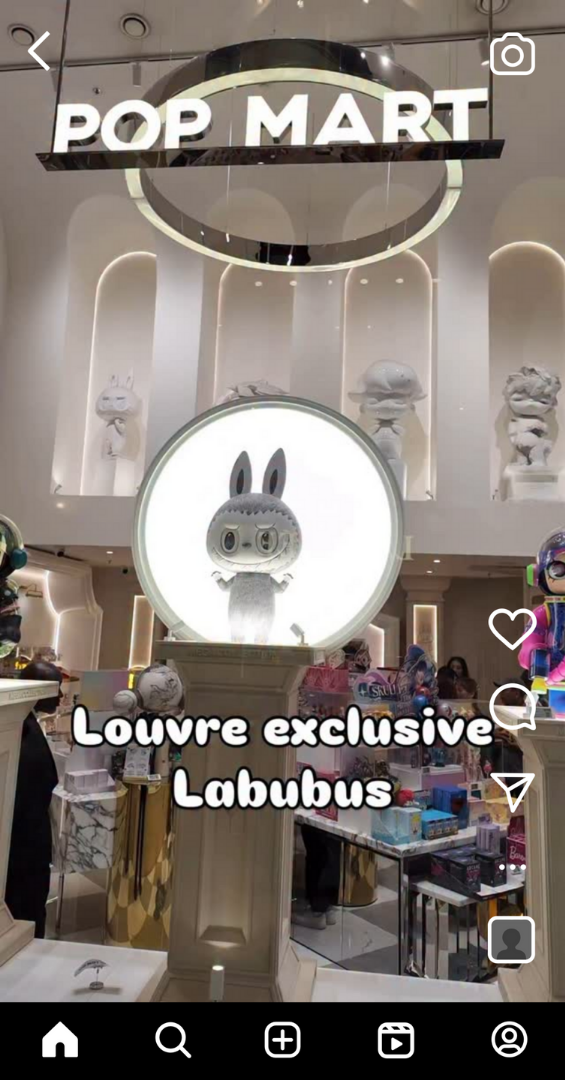
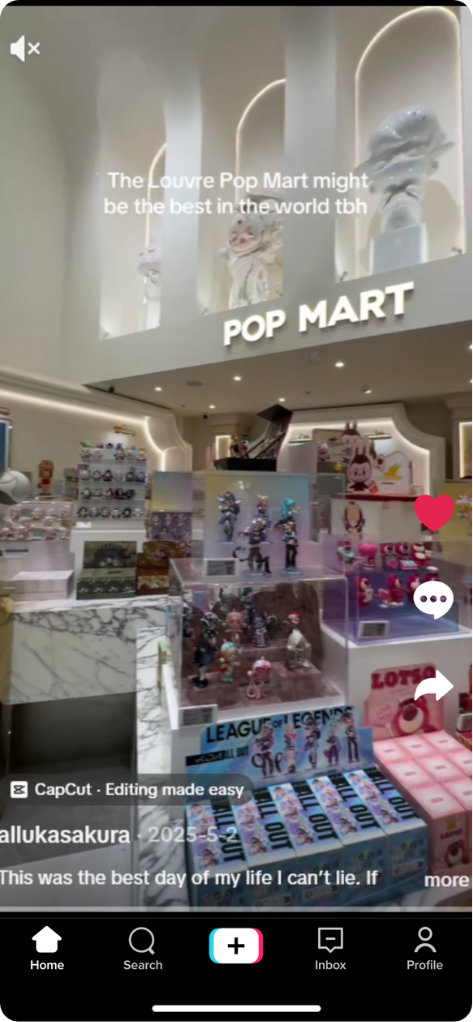
After Labubu went viral, Pop Mart opened several store accross the world. One of the finest examples is the Pop Mart store inside the Louvre, in Paris, France. The Louvre is one of the most prestigious museums in the world. By placing Labubu there, Pop Mart reframed the product from toy art into a lifestyle and cultural object. The urgency was not only about buying Labubu, but about experiencing it in an art gallery-like environment, and also to drive people to share their experience on social media.
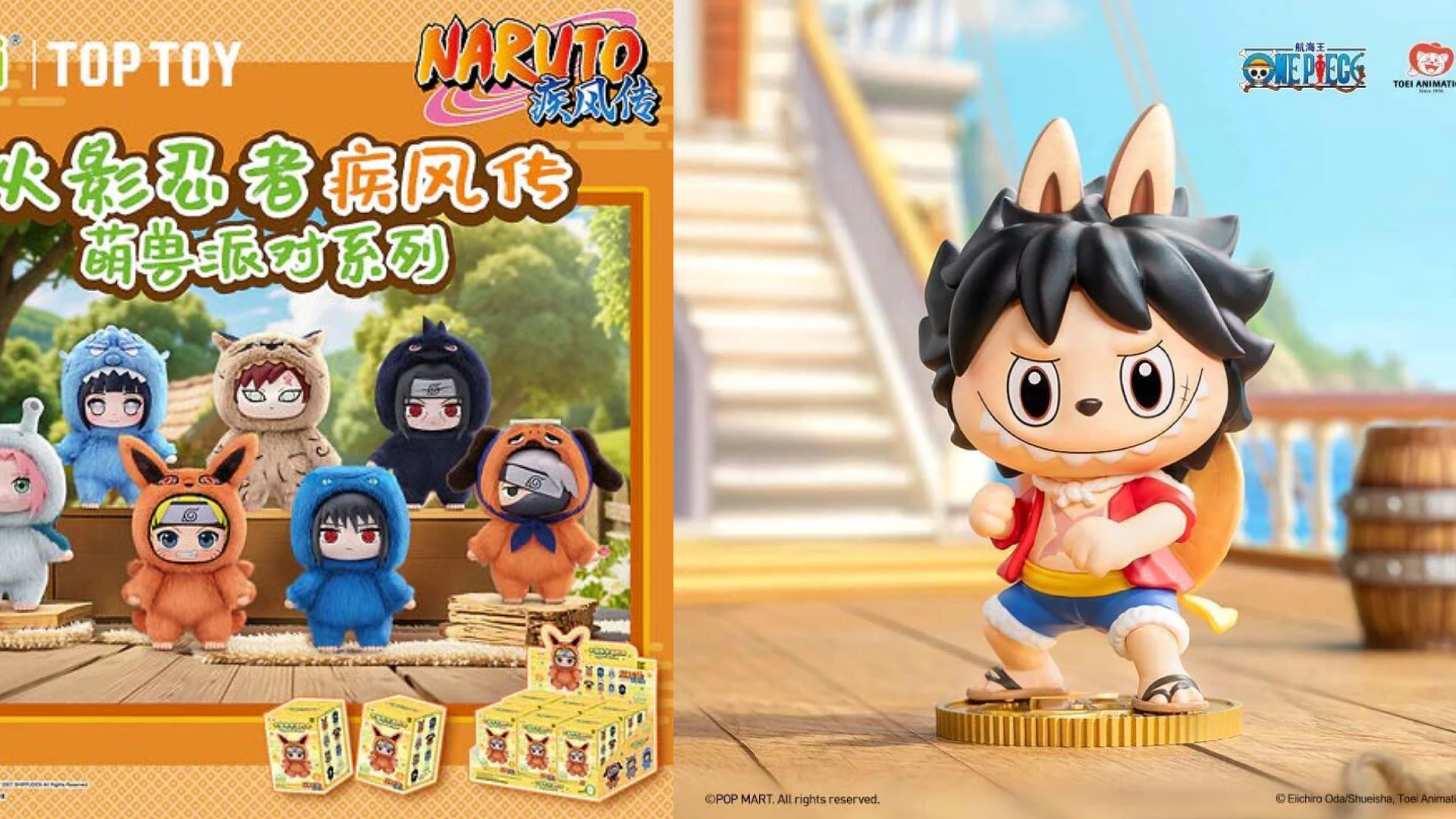
Apart from the location, Labubu designs were adapted to local culture. In Japan, Pop Mart did a collaboration with One Piece and Naruto, blending the characters into anime culture. This made Labubu feel native, not imported, and appealing to both Japanese consumers and global anime fans.
Event roadshows further strengthened Labubu’s cultural identity. Labubu appeared at the Thai Festival 2024 in Beijing, dressed in traditional Thai clothing, introducing cultural storytelling through physical presence. And to grab the attention of Thailand’s market.

In 2025, Labubu joined the Water Parade in Hong Kong, reinforcing its role as a cultural character rather than a commercial mascot.

These appearances created an emotional connection. Audiences did not feel sold to. They felt included.
Pop Mart also expanded its reach through Roboshop vending machines. These machines preserved the blind box excitement while extending presence into malls, transport hubs, and high-traffic areas. Roboshops function as both retail and OOH touchpoints, reinforcing brand visibility offline.

Pop Mart Robo Shop in Malaysia and England. Image source: Sunway Velocity Mall and Pop Mart
What Singapore SMEs Can Learn Without Going Viral
The biggest misconception is that Pop Mart’s success came from virality. In reality, growth came from an end-to-end marketing ecosystem.

Pop Mart Robo Shop in Malaysia and England. Image source: Sunway Velocity Mall and Pop Mart
For Singapore SMEs, the takeaway is not to chase celebrities or viral moments. It is to design systems where product, experience, and communication reinforce each other.
Singapore SMEs and businesses can collaborate with influencers to boost awareness, but this only works when there is a deep understanding of the product’s value, the target market’s behavior, and a clear goal. Otherwise, influencer marketing becomes noise rather than growth.
Here’s the step:
- First, product and experience first. Ask whether it creates curiosity, emotional payoff, or something worth sharing. Even the simple things, like packaging, need a unique appearance to be compelling. Without this foundation, no amount of content planning will work.
- Second, align offline execution with online behavior. Stores, events, booths, or roadshows should be visually shareable and emotionally engaging. Offline experiences should naturally generate online content.
- Third, treat offline touchpoints as part of media. Vending machines, pop-ups, event activations, and retail spaces can function as OOH advertising and engagement tools when designed intentionally.
- Finally, localize execution. Singapore audiences respond differently from regional markets. Localization does not mean translation. It means cultural relevance, context, and emotional familiarity.
This is how SMEs can build sustainable growth without relying on luck.
How iKen Marketing Can Help
Labubu’s story shows that growth does not come from virality alone. It comes from structure.
Pop Mart succeeded because product design, offline experience, online amplification, and cultural storytelling worked together as one ecosystem. When attention arrived, the system multiplied it.
At iKen Marketing, we help Singapore SMEs build this kind of end-to-end marketing ecosystem. From design and content planning to OOH, printing, vending solutions, event roadshows, promoters, and digital amplification, everything is planned as one connected journey.

For businesses in Singapore and the surrounding region, sustainable growth starts when marketing is no longer fragmented. End-to-end marketing ensures that every touchpoint supports the next, creating clarity, consistency, and measurable impact