
Generating enquiries is only half of a successful marketing campaign. For Singapore SMEs, slow replies, unclear lead ownership and disconnected follow-up can cause potential customers to move to competitors before your sales team even responds. With customers increasingly expecting fast, personalised conversations, businesses can improve conversion by connecting campaigns with a structured follow-up journey using WhatsApp, SMS, sales teams, retargeting and AI chatbots. The key question is simple: How quickly does your business respond after someone shows interest?
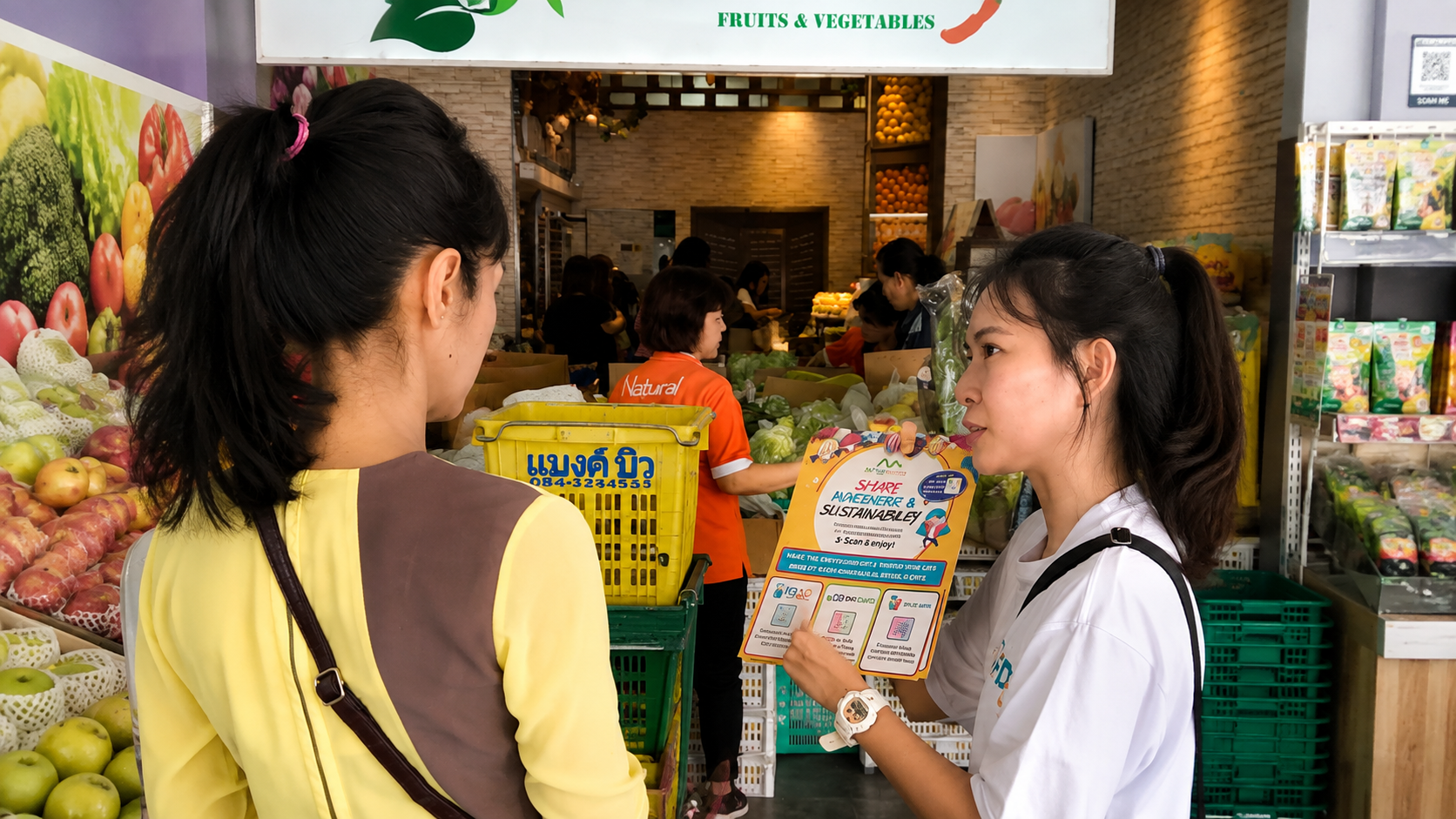
A customer sees your advertisement, scans your QR code, visits your landing page or approaches your promoter at an event. They are interested enough to ask a question or leave their contact details. At that moment, the campaign has done its job. The problem begins when nobody responds quickly enough.
For Singapore businesses, this gap is becoming more important as customer expectations change. Salesforce’s 2026 State of Marketing research found that 87% of Singapore marketers admit to running generic campaigns, while 86% struggle to respond promptly to customers, higher than the 71% APAC average. The same research found that 77% of Singapore marketers are struggling to keep up with changing customer behaviour, while 53% have yet to work out how to adapt their strategies to the widespread use of AI.

This creates what we can call the 24-hour lead gap. Your campaign may generate attention during the day, but the potential customer could be waiting for an answer at night, during lunch or while comparing several businesses at the same time. A slow response gives competitors an opportunity to enter the conversation first. The campaign therefore needs to continue after the enquiry. Advertising creates the opportunity, while follow-up helps turn that opportunity into an appointment, store visit, quotation or sale.
Why Fast Lead Response Matters for Singapore Businesses
Messaging is becoming an increasingly important part of the customer journey. WhatsApp’s 2026 report, based on research across 22 global markets including Singapore, found that 73.3% of consumers prefer messaging when communicating with a business. The report also found that 69% of consumers consider waiting on hold a waste of time, while 42.9% believe AI could improve their messaging experience.
A fast response does not need to be an immediate sales pitch. It can acknowledge the enquiry, answer the customer’s first question and guide them towards the next step while the sales team prepares a personalised reply. This is especially important when customers can easily contact several competitors, as the first useful response often matters more than an automated acknowledgement and lead qualification rates can decline sharply as response time increases.
However, fast response is only the beginning. Businesses also need to know where leads are being lost after a campaign. A lead may be captured successfully but never contacted, contacted too late, passed between team members without clear ownership, or followed up once and then forgotten. This is why lead generation should be connected to a structured sales process rather than treated as the final stage of marketing.
A practical campaign-to-sales system should answer seven questions:
- Where are leads lost after a campaign? Identify gaps between enquiry generation, first response, qualification, follow-up and conversion.
- What happens regardless of where the lead comes from? Create one response workflow that can handle leads from Meta Ads, QR scans, landing pages, roadshows, events and other campaign channels.
- When should WhatsApp or SMS follow-ups happen? Set clear timing rules so promising enquiries are not left waiting or contacted inconsistently.
- Who owns each lead? Give every enquiry a clear owner and provide sales scripts so the team knows what to say at each stage.
What should the sales script cover? Prepare clear talking points for qualifying leads, answering common questions, handling objections and guiding customers towards the next step. - What happens to non-responders? Use suitable retargeting and follow-up campaigns to bring potential customers back into the conversation.
- How is performance measured? Review a weekly dashboard covering enquiries, response time, qualified leads, appointments, conversions and lost leads.
- What does the follow-up journey look like? Build a practical sequence, such as the 7-day campaign-to-sales journey outlined below.
This turns response speed into an actual sales system. Instead of simply asking how many enquiries a campaign generated, businesses can understand what happened to those enquiries afterwards.
Build a 7-Day Campaign-to-Sales Journey
A strong campaign-to-sales journey starts by deciding what happens the moment an enquiry arrives. Leads from Meta Ads, TikTok Ads, QR codes, landing pages, roadshows and promoters should enter a defined workflow. The first response can confirm the enquiry, provide useful information and identify the customer’s intent. The lead should also have a clear owner, whether that is a salesperson, customer service representative or trained lead-generation specialist.
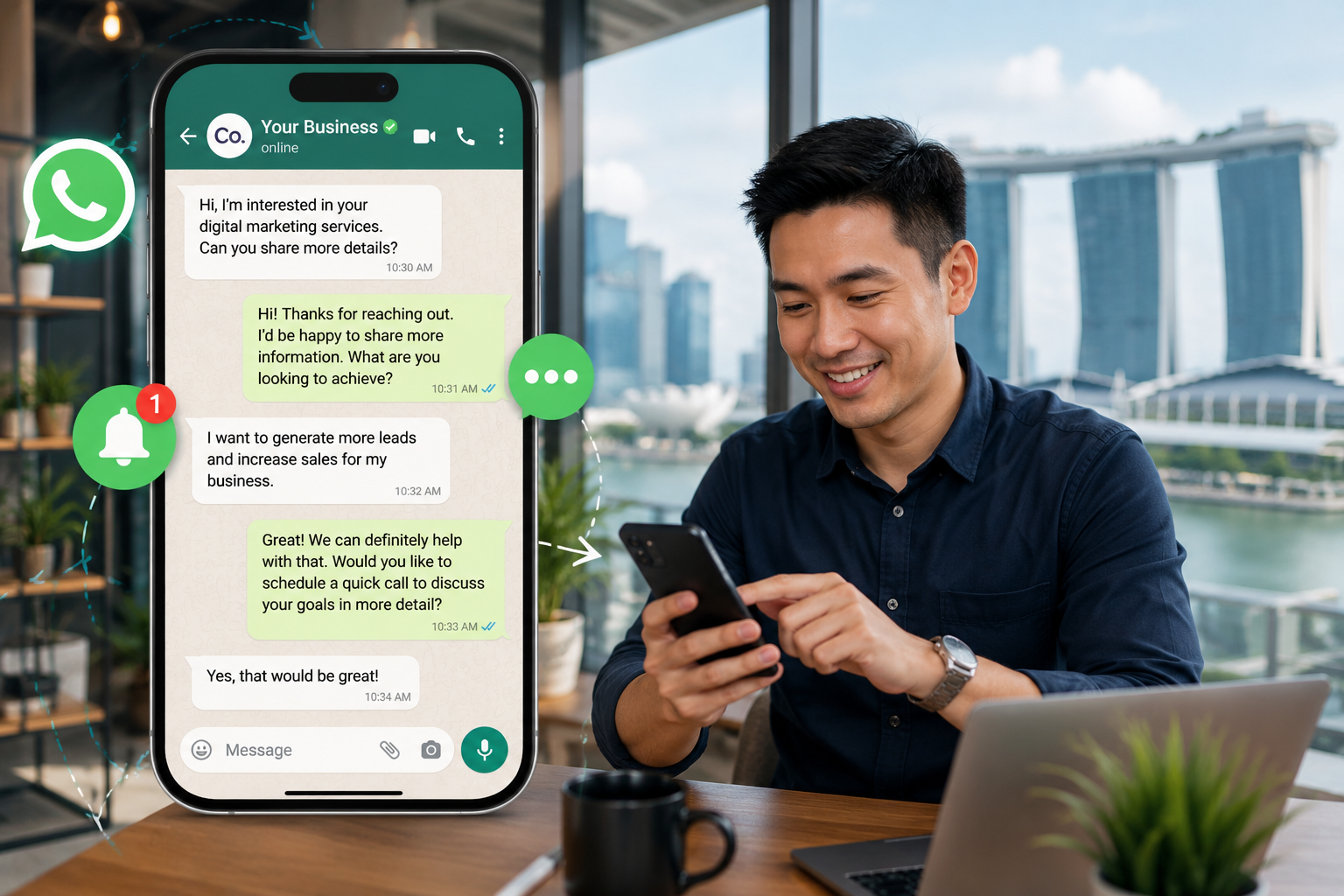
The workflow should remain consistent regardless of the source. An enquiry from a QR code at an event should not be treated as a completely different type of lead from someone who submits a Meta lead form. Both should enter the same system, be assigned to an owner and receive an appropriate response based on their level of interest.
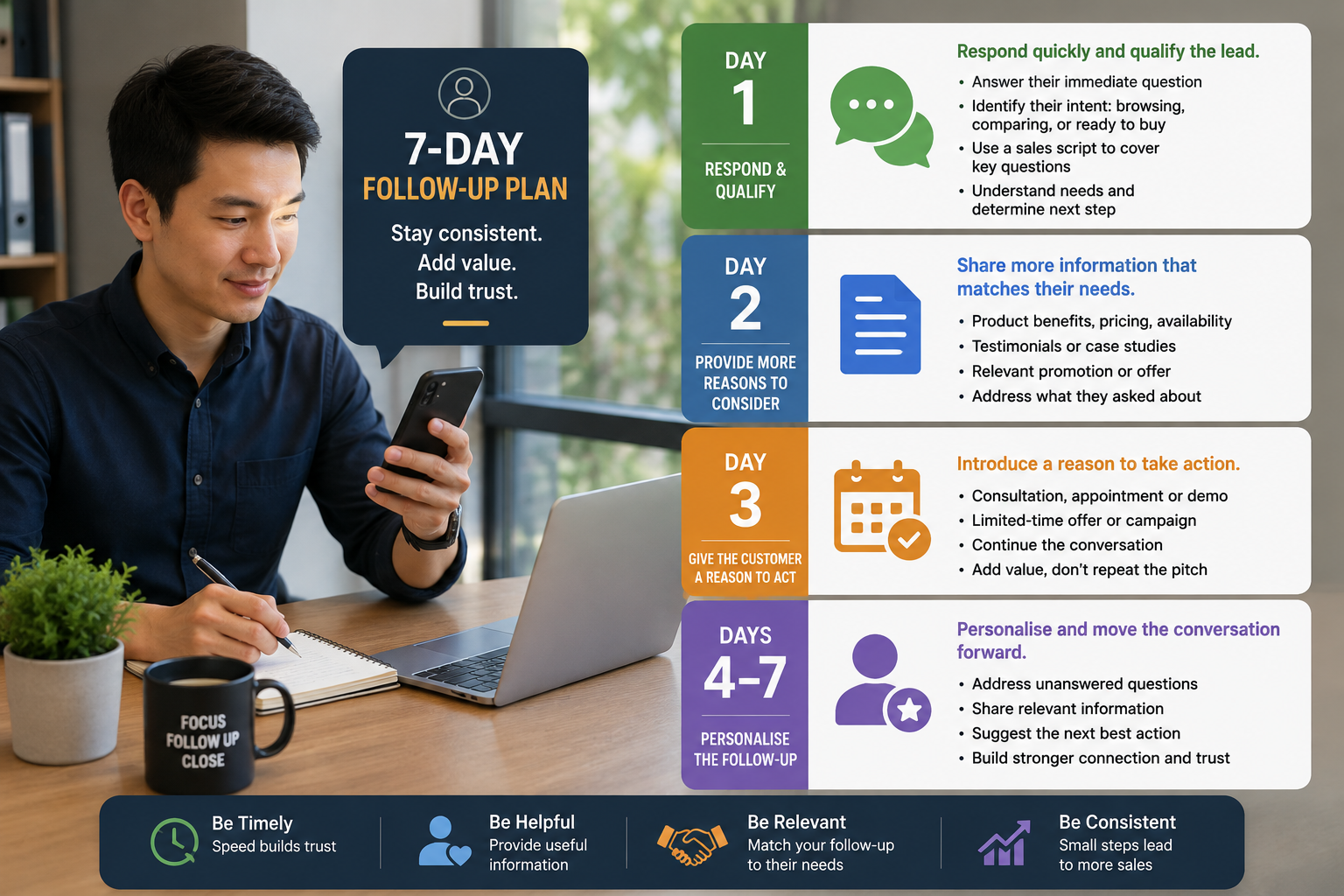
Day 1: Respond and Qualify
Speed and qualification come first. Reply as fast as possible, answer the customer’s immediate question, and identify whether they’re browsing, comparing, or ready to buy. A prepared sales script helps the team cover the right questions without pushing for an immediate sale. The goal is understanding intent, not closing on day one.
Day 2: Give Them More Reasons to Consider
Follow up with information relevant to what they already asked, such as product benefits, pricing, testimonials, availability, or a current promotion. A customer comparing prices needs a clearer value explanation; someone asking about availability just needs confirmation of stock or appointment slots.
Day 3: Give Them a Reason to Act
Introduce a reason to move forward, such as a consultation, demo, appointment, or limited-time offer. Each touchpoint should add something new rather than repeating the same message.
Days 4 to 7: Personalise the Follow-Up
Later follow-ups should get more specific. The salesperson should already know what’s been discussed and address unanswered questions directly; customers shouldn’t have to repeat their requirements. This is where clear lead ownership pays off.
What Happens When a Customer Stops Responding?
Not every lead converts immediately, and that’s normal. Some need more time, more information, or are comparing alternatives. The key is matching the follow-up to their previous behaviour rather than repeating the same pitch:
- Someone who visited a service page can receive useful educational content
- Someone who enquired but didn’t book can receive a reminder or additional proof
Leads who go cold can move into a retargeting audience, while converted customers should shift into a separate retention or loyalty journey. This keeps the experience relevant and gives sales teams another chance to re-engage genuinely interested prospects.
Track It With a Weekly Dashboard
A simple weekly dashboard, covering enquiries, response time, qualified leads, appointments, conversions, and lost leads, makes it easy to spot where the process breaks down. For example:
- 200 enquiries, only 120 received a timely response: the problem is the response process, not the campaign
- Qualified leads not converting to appointments: the offer, script, or follow-up sequence needs work
Using AI for Customer Support and Lead Follow-Up
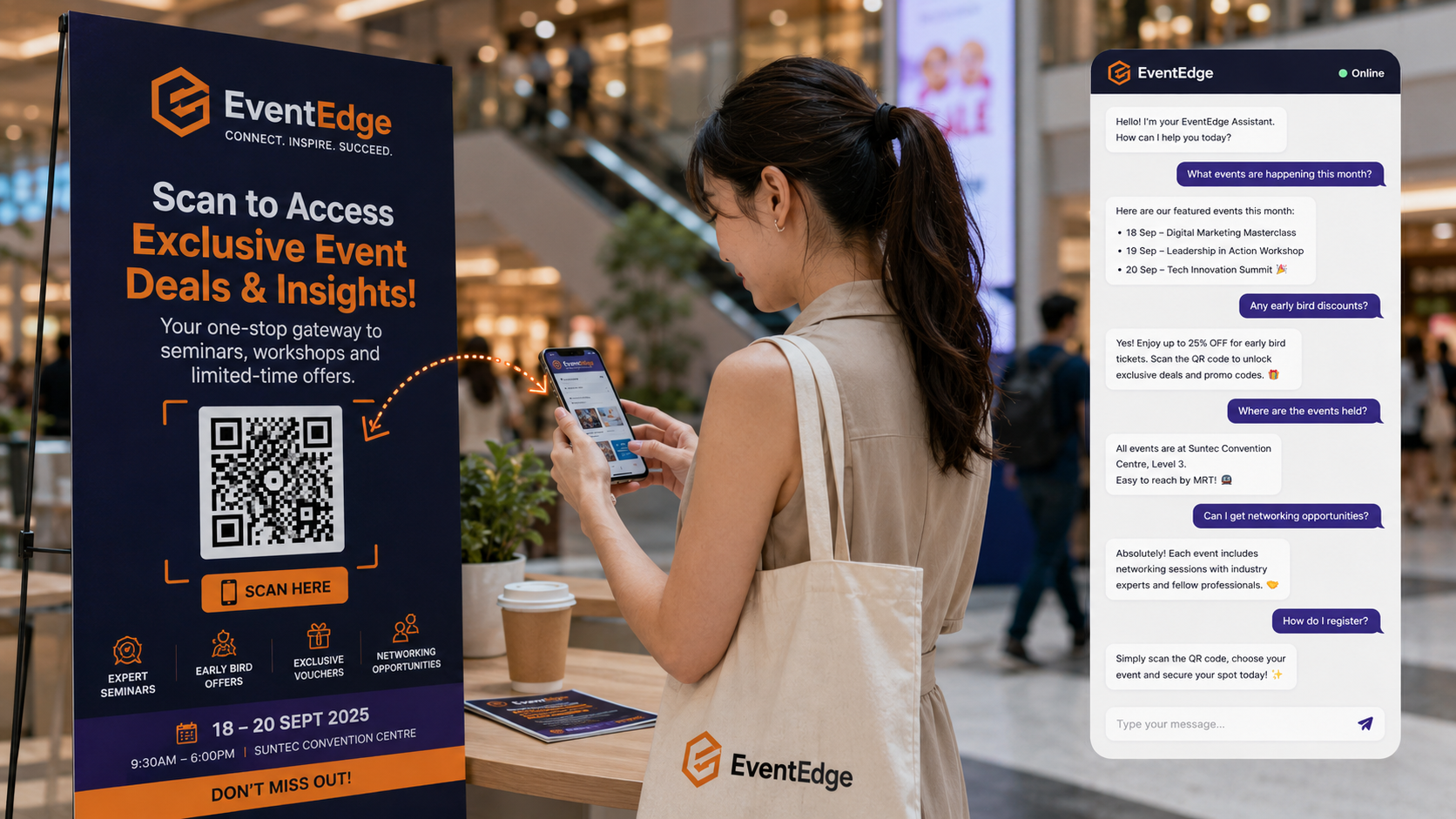
AI can close the response gap by answering FAQs, collecting basic customer details, and routing complex questions to a human. This is particularly useful outside business hours, when prospects are researching but the sales team is offline.
The opportunity is increasingly relevant as businesses seek more personalised, conversational experiences. Salesforce found that 82% of Singapore marketers would trust AI to respond to customers, while 100% reported barriers to personalisation, including fragmented and poor-quality data. Chatbots should therefore be connected to accurate business information and a clear workflow, with humans handling decisions that require judgement, negotiation or deeper understanding.
For example, a visitor at a Singapore SME’s roadshow could scan a QR code, receive an immediate WhatsApp response, answer basic questions through an AI chatbot and be routed to a sales specialist. This allows the business to follow up with relevant information instead of starting from zero. However, AI should support, not replace, salespeople by improving response speed and organising information while trained specialists handle leads requiring personal attention.
Turn Marketing Attention Into Sales Opportunities
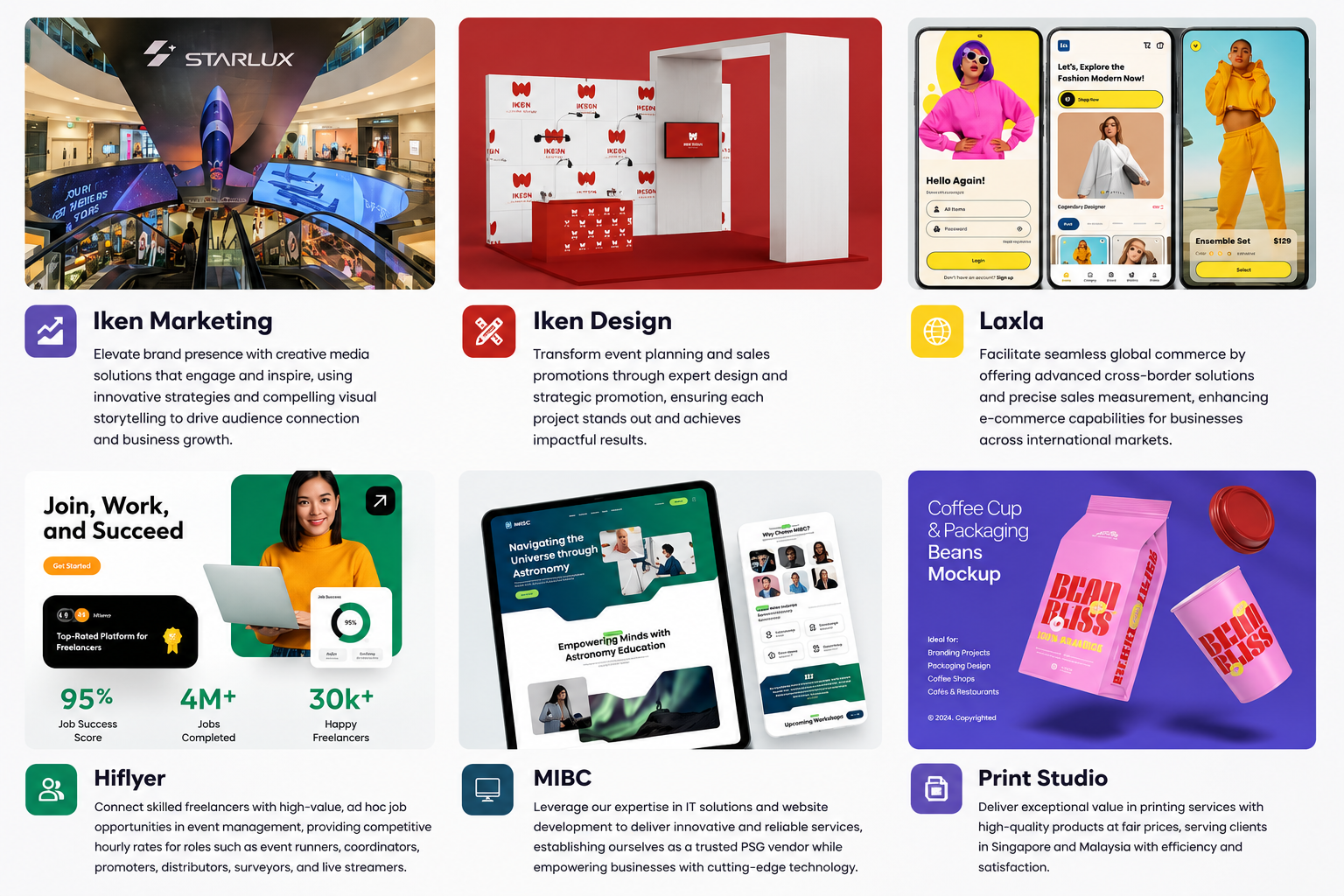
iKen Marketing takes a broader approach than a traditional single-channel agency, combining digital marketing, OOH advertising, events, promoters, sales canvassing, printing and other services through the iKen Group. This allows businesses to connect awareness, lead generation and follow-up across channels, from OOH campaigns and QR codes to landing pages, physical activations and messaging.
The process does not stop at generating leads. iKen Marketing provides sales and lead-generation specialists, along with training to help internal teams manage and convert enquiries more effectively. Leads can be captured through Meta Ads or QR-enabled materials, qualified using an agreed sales script and passed to the appropriate salesperson, while a weekly dashboard tracks performance.
If your business is losing enquiries during follow-up, review who owns each lead, how quickly they respond, what happens when customers do not reply and when salespeople take over. Also assess your WhatsApp or SMS schedule, sales scripts, seven-day follow-up process, retargeting strategy and weekly reporting.
These questions reveal whether the problem is your campaign or the system behind it. If you want to review your current process, comment “LEAD” below and our team can share more about a Campaign-to-Sales Workflow Review, including a proposed 7-day enquiry follow-up journey, lead ownership structure, response workflow and reporting framework.
Q&A
What is a campaign-to-sales journey?
A structured, multi-day follow-up sequence, typically 7 days, that takes a lead from first response through qualification, nurturing, and conversion, regardless of which channel it came from.
How fast should I respond to a new lead?
As quickly as practical. A useful immediate response should acknowledge the customer and begin qualification. A fast acknowledgement followed by structured human follow-up can keep the conversation active while the sales team prepares a more detailed response.
Should every lead receive seven follow-up messages?
No. The 7-day framework is a planning structure, not a rule to send messages every day. Follow-up should depend on the customer’s behaviour, buying cycle, product and previous interaction.
Should I use WhatsApp or SMS?
It depends on the campaign and customer journey. WhatsApp is particularly useful for conversational enquiries and two-way communication, while SMS can support appropriate, consent-based reminders and campaign communications.
Can an AI chatbot replace my salesperson?
AI can support the salesperson by handling repetitive questions, collecting information and routing leads. Human sales specialists remain important for complex enquiries, relationship building, negotiation and closing.
What if my team does not know how to follow up with leads?
Training can solve part of the problem. A structured lead-handling process should define who owns each lead, what information needs to be collected, how quickly the lead should receive a response and what happens when the customer does not reply.
What should I measure after a campaign?
Start with lead volume, response time, qualified leads, contact rate, appointments, conversion rate, cost per qualified lead, revenue and the number of leads that remain untouched.
Can AI replace a sales team for lead follow-up?
No. AI works best for answering FAQs, qualifying basic intent, and covering after-hours gaps. Complex decisions, objections, and negotiation still need a human.
Can iKen Marketing help with the sales process?
Yes. iKen Marketing can support businesses across lead generation, sales and lead-generation specialists, customer engagement, campaign execution, AI chatbot implementation and team training. The exact combination should depend on where the business is currently losing opportunities.