
One Campaign, Five Touchpoints: How Singapore SMEs Can Turn Brand Exposure Into Enquiries
Key Summary
For many Singapore SMEs, the challenge is getting them to remember the brand, trust the offer and eventually enquire. One flyer, event or social media advertisement can easily be overlooked, which is why a stronger approach is to create repeated exposure through five connected touchpoints: REACH through flyers or OOH, EXPERIENCE through street activation or promoters, VALIDATE through social media, websites and reviews, REMIND through retargeting and digital advertising in, and CONVERT through WhatsApp, lead forms and the sales team in. Each touchpoint gives customers a different reason to remember and consider your business, helping Singapore SMEs turn brand exposure into meaningful enquiries.
Why One Exposure Rarely Creates an Enquiry
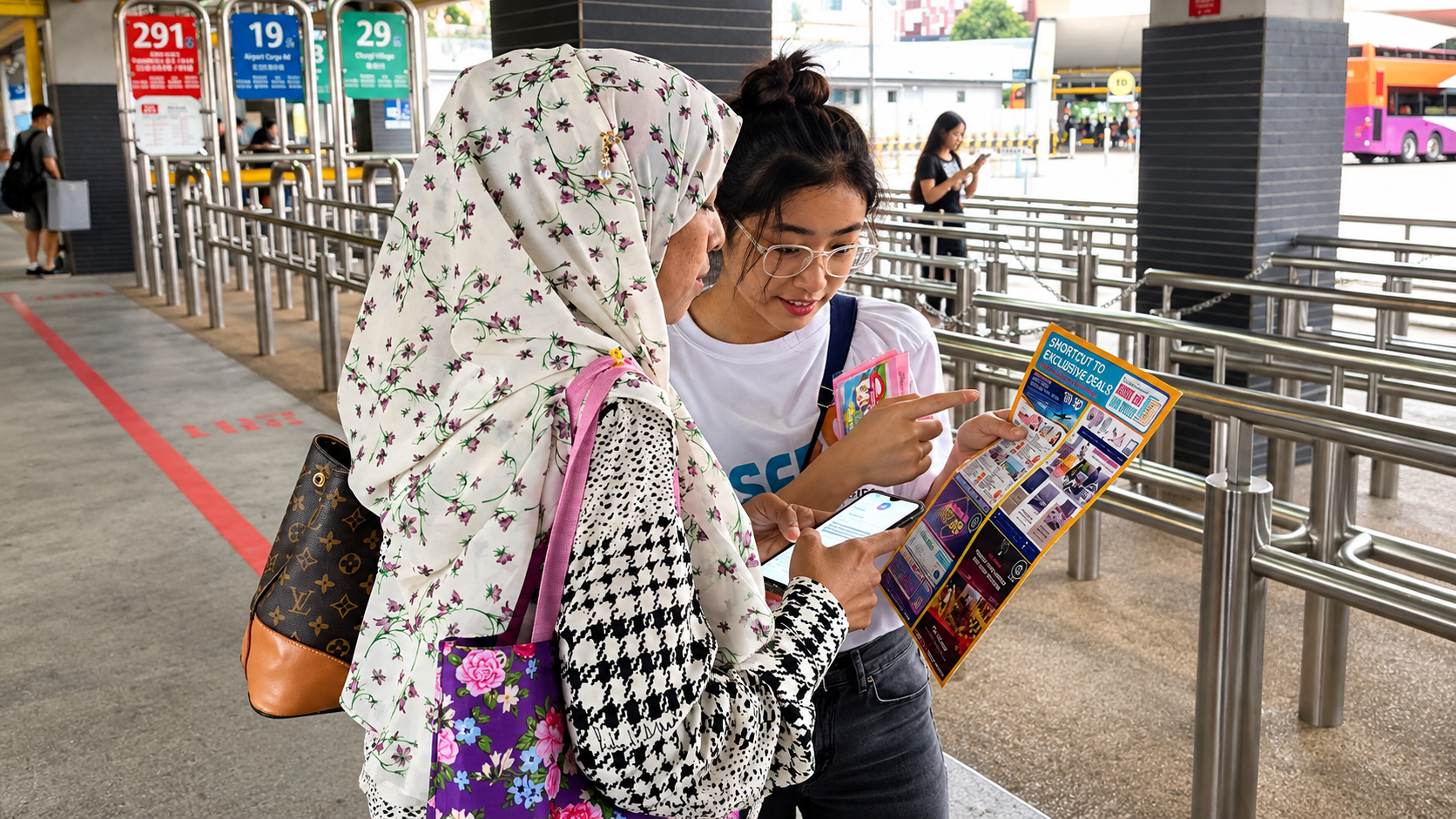
Imagine a customer walking through a Singapore neighbourhood and receiving your flyer. They notice your promotion for a few seconds, put the flyer away and continue with their day. Two days later, they see your brand again while scrolling Instagram. This time, the name feels familiar, so they may visit your website, check your reviews and learn more about the business, even if they are still not ready to enquire.
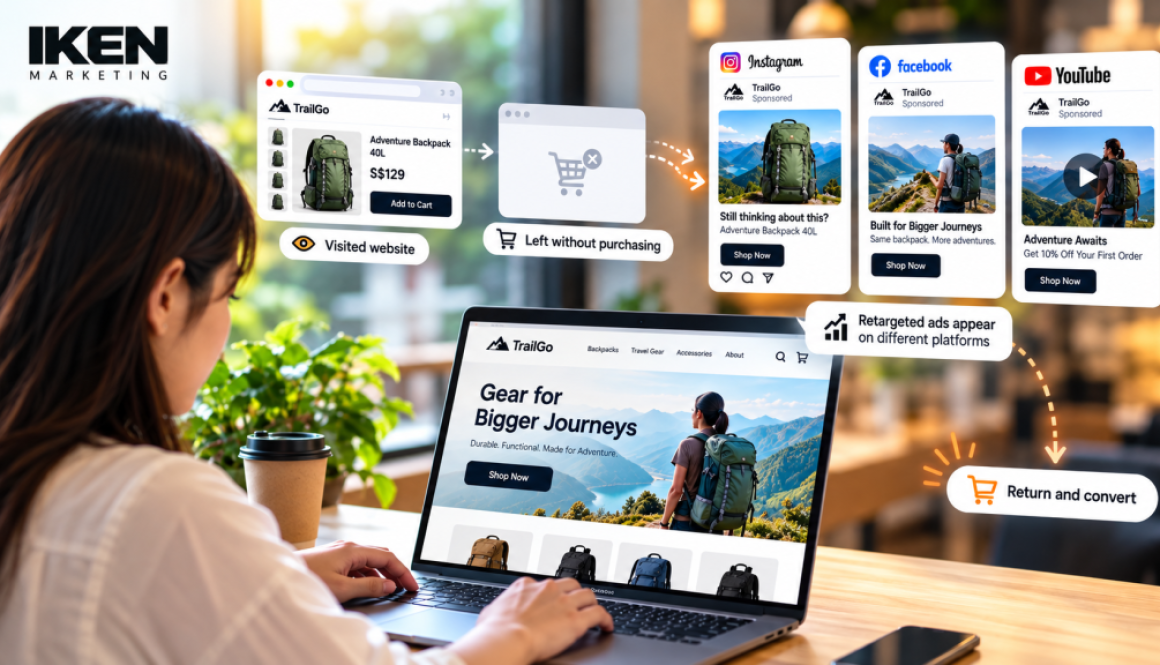
A few days later, the same customer sees your advertisement again through retargeting. The repeated exposure can bring the brand back into consideration at a more relevant moment. When they finally have a question or need, the business is already familiar to them and they know where to find more information or make contact.
This is why SMEs should think beyond “How many people saw my advertisement?” and ask “What happens after someone sees us for the first time?” A flyer can create awareness, an activation can provide an experience, social media can build validation, retargeting can create a reminder and WhatsApp can make the enquiry process easier. When these touchpoints are planned together, one campaign can guide customers from initial exposure towards meaningful action.
The 5-Touchpoint Marketing Strategy for Singapore SMEs
REACH: Week 1 | Flyer and OOH
Start by putting your brand where your target customers already are. Flyers, posters and OOH advertising can create the first exposure and introduce your offer to nearby residents, office workers, shoppers or commuters. The goal is to make your brand recognisable before the customer encounters it again.
EXPERIENCE: Week 2 | Street Activation, Promoters and Events
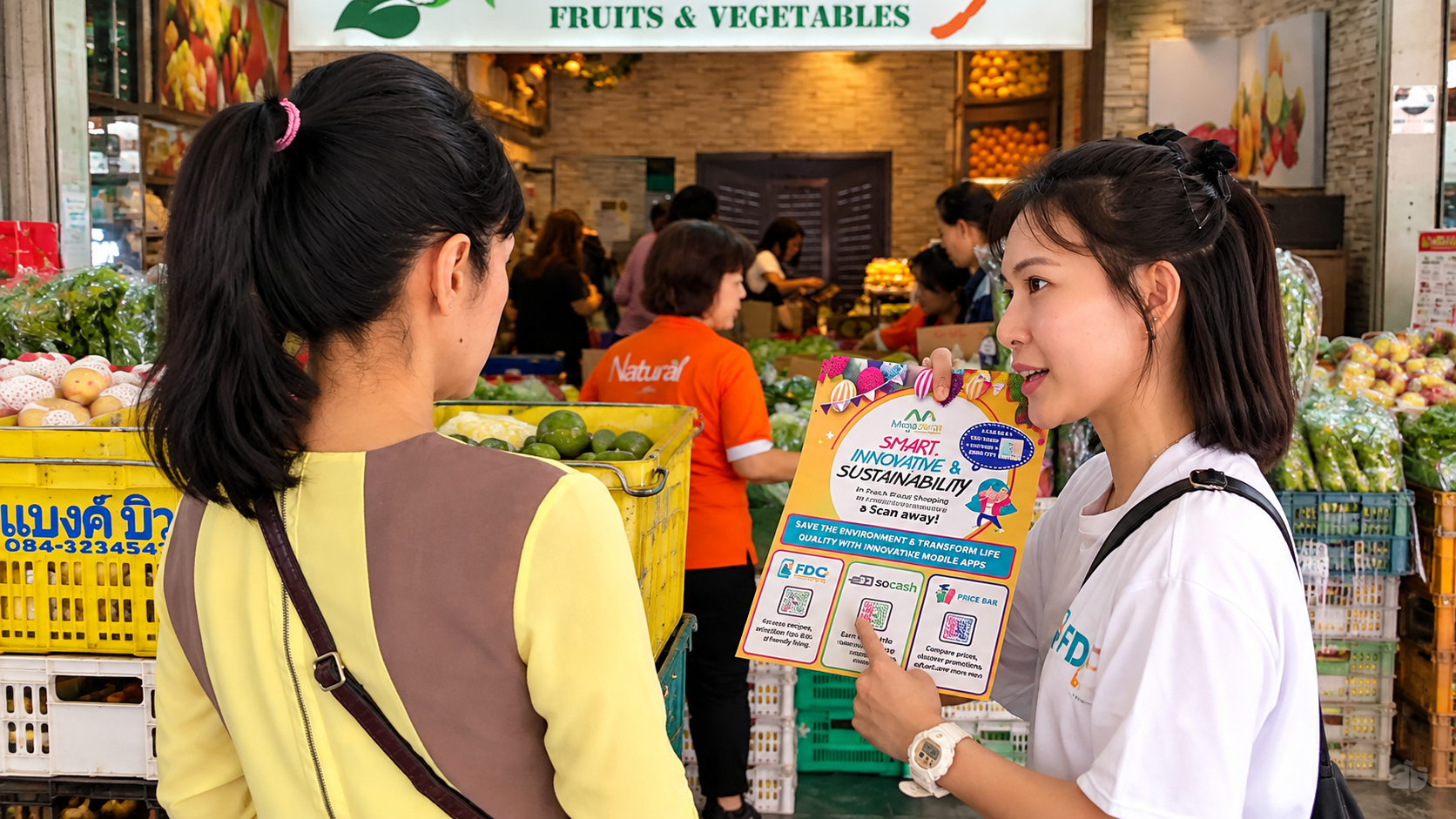
Turn awareness into a memorable interaction through street activations, promoters, sampling or events. Customers can see, try or discuss your product, giving them a stronger reason to remember the brand. This touchpoint moves the customer from “I have seen this” to “I have experienced this.”

VALIDATE: Week 3 | Social Media, Website and Reviews
After encountering your brand, customers may search for more information before deciding whether to enquire. Social media, your website, reviews and testimonials can answer their questions and provide reassurance. This is where customers move from recognising your brand to understanding whether they can trust it.
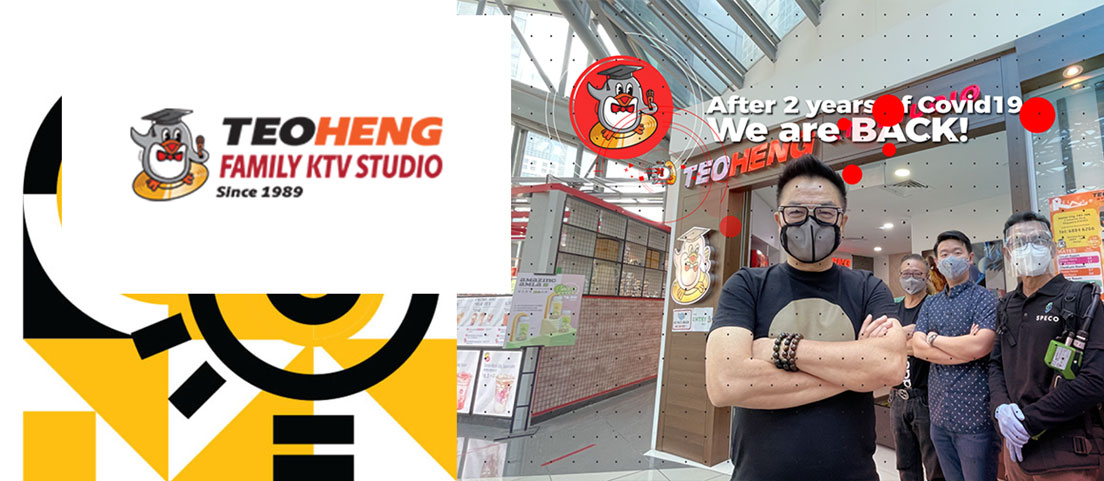
Our video marketing campaign for KTV Teo Heng successfully increased website traffic through an engaging video pop-up and expanded their social media reach, receiving more than 3k views and positive feedback. This campaign demonstrated the power of strategic video marketing in regaining customer trust and boosting online engagement.
REMIND: Week 4 | Retargeting and Digital Advertising
Customers may remember your brand but still need time before taking action. Retargeting and digital advertising can bring your campaign back into their attention after they have visited your website, interacted with your content or engaged with the campaign. The message can focus on benefits, proof, FAQs or an offer that encourages the next step.
CONVERT: Week 5 | WhatsApp, Lead Forms and Sales
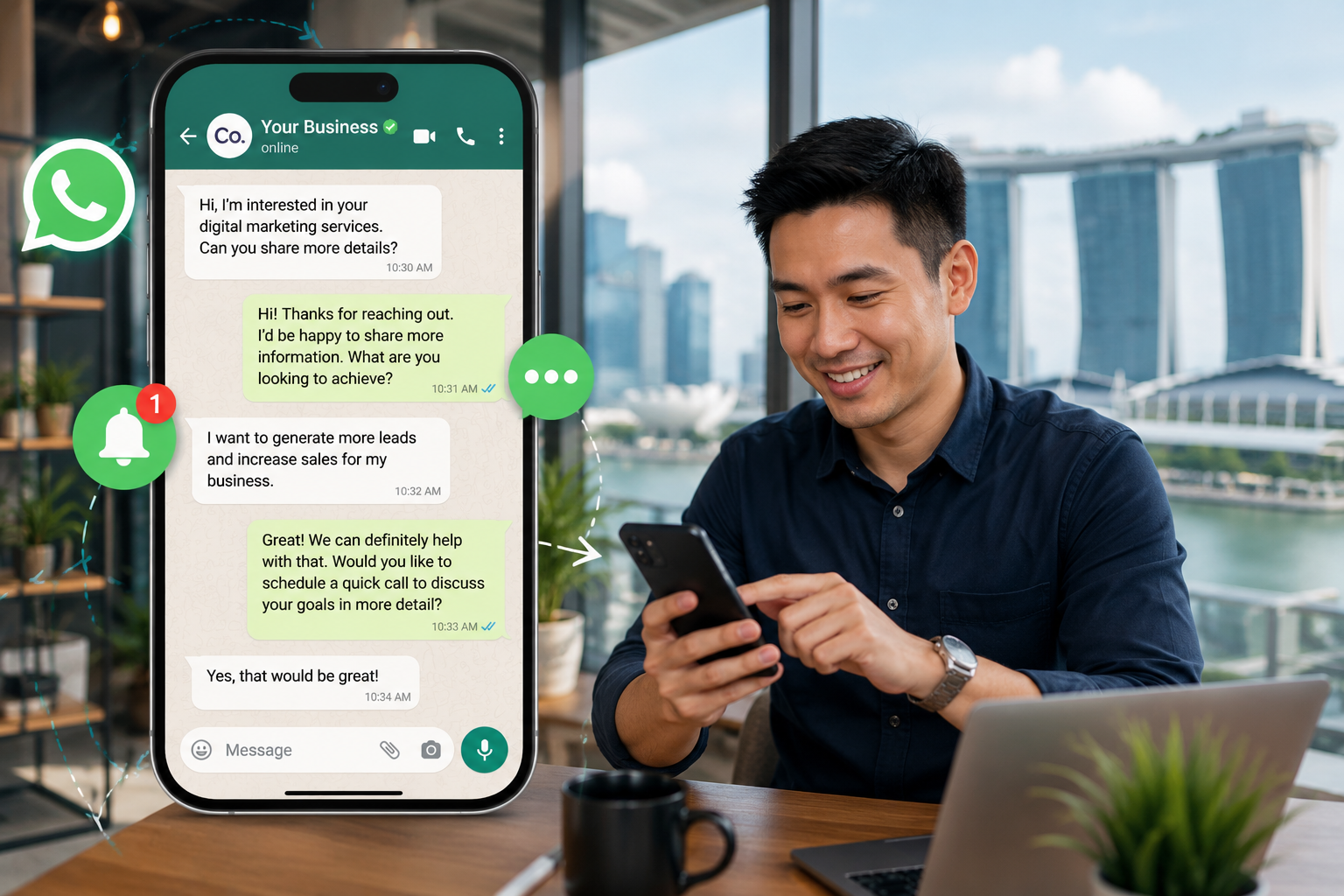
The final touchpoint should make it easy for customers to take action, and WhatsApp is particularly relevant for Singapore SMEs. Statista reports that WhatsApp is used by around 80% of Singapore’s internet users on a monthly basis, making it the country’s most popular and preferred messaging app according to its data. A separate 2024 We Are Social and Meltwater report, covered by MARKETECH APAC, found WhatsApp was Singapore’s most-used social platform at 74.7%, while messaging was the leading social media activity at 97.5%. Although the figures differ because of the methodologies used, both sources highlight WhatsApp’s strong presence in Singapore, making it a practical channel for customers to ask questions, request information or make an inquiry.
How iKen Marketing Connects Five Touchpoints Into One Customer Journey
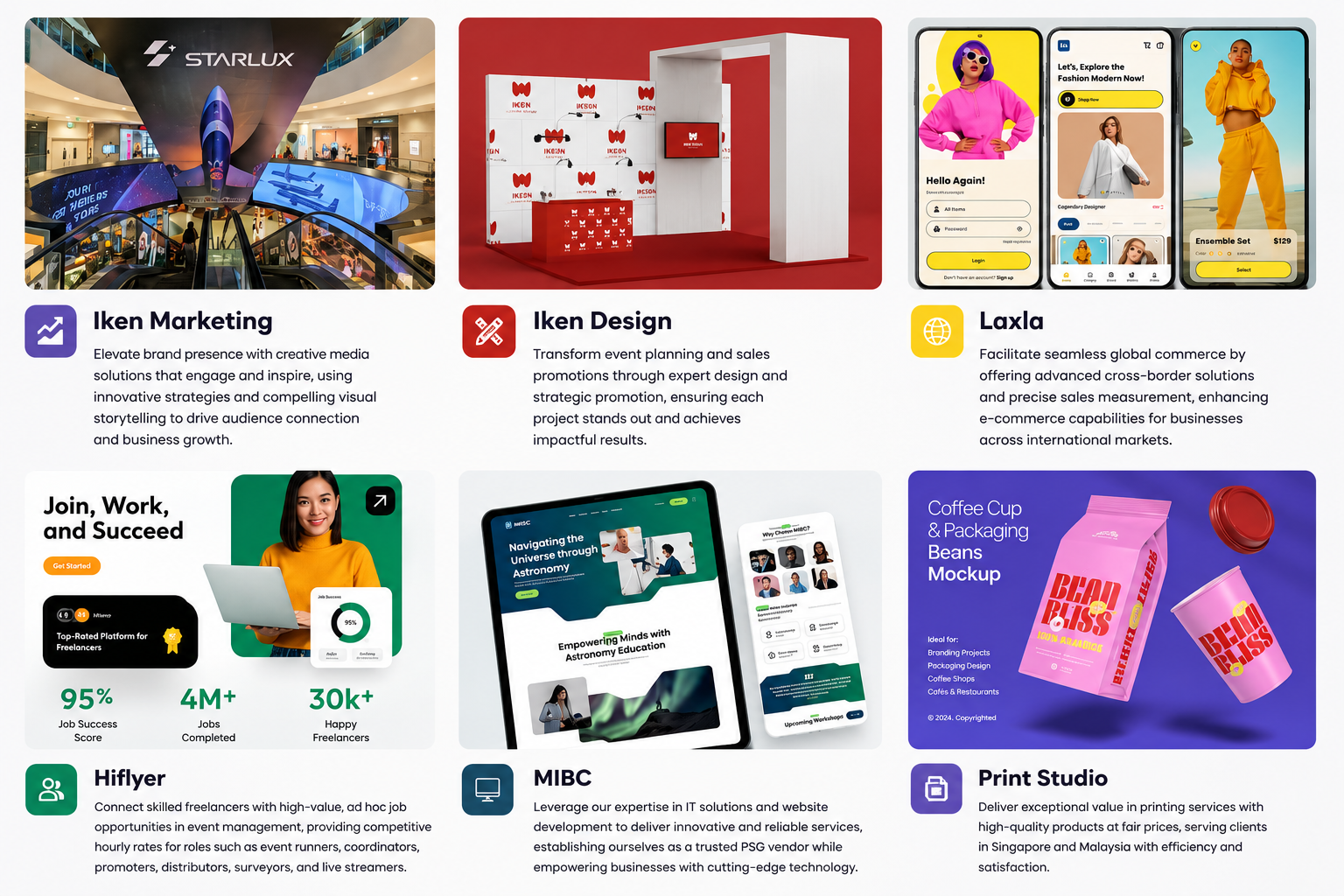
The biggest challenge with multi-channel marketing is coordination. A business may work with one provider for flyers, another for events and another for digital advertising, while managing WhatsApp follow-up internally. iKen Marketing can bring these activities together through the wider iKen Group ecosystem, connecting flyer distribution, physical activations, digital marketing, printing, social media, advertising, and digital flyer tracking within one campaign structure.
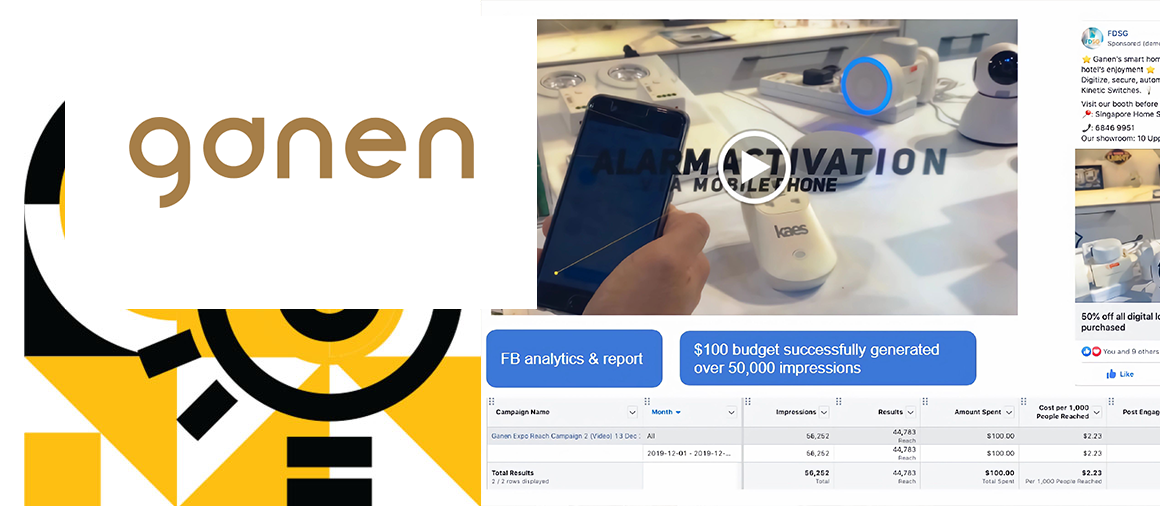
Instead of treating each channel as a separate activity, iKen can structure the campaign around REACH → EXPERIENCE → VALIDATE → REMIND → CONVERT. A flyer creates the first exposure, an activation gives customers an opportunity to interact with the brand, social media and websites provide information and credibility, retargeting brings the brand back into consideration, and WhatsApp or a lead form provides a direct route to enquire. Tools such as FDSG can also support QR tracking, helping SMEs understand how customers respond at different stages.
This approach gives businesses a clearer view of the entire customer journey. Rather than asking only “How many flyers did we distribute?”, SMEs can ask “Which location generated the most scans?”, “Which activation created the most engagement?”, “Which content helped customers understand the offer?” and “How many people eventually contacted us?” For Singapore SMEs, the advantage is having one campaign planned around the customer journey, with each touchpoint given a specific role and timing instead of running five disconnected marketing activities.
Closing: Give Customers More Reasons to Remember You
A customer may see your flyer today and forget about it tomorrow. They may then encounter your brand through a street activation, discover your social media, read customer reviews or see your advertisement again. Each interaction adds another layer of familiarity and gives the customer more information before they decide whether to enquire.
The purpose of a five-touchpoint campaign is to create a consistent customer journey where every channel has a clear role. REACH creates awareness, EXPERIENCE makes the brand memorable, VALIDATE builds confidence, REMIND brings the brand back into consideration and CONVERT makes it easier to take action. When these stages work together, SMEs can create more meaningful opportunities from the attention they have already generated.
For your next campaign, look at your customer journey and ask yourself: Which touchpoint is currently missing or weakest in your marketing strategy? Comment “5 TOUCHPOINTS” and tell us your business type and biggest marketing challenge. We would love to hear where your customer journey needs more support and share ideas on how different touchpoints could work together.
Q&A
Why do customers need to see a brand more than once before enquiring?
Customers often need several pieces of information before they feel comfortable taking action. Repeated exposure can help build familiarity, while different touchpoints can answer different questions about the business, product, credibility and offer.
What are the five touchpoints in this marketing strategy?
The five touchpoints are Reach, Experience, Validate, Remind and Convert. They can be implemented through flyers and OOH, street activations and promoters, social media and websites, retargeting and digital advertising, followed by WhatsApp, lead forms or a sales team.
Is five-touchpoint marketing suitable for small businesses?
Yes. SMEs do not necessarily need large campaigns across every available channel. The framework can be scaled according to budget, audience and campaign objective. A small business could use a targeted flyer campaign, one activation, organic social content, a small retargeting campaign and WhatsApp follow-up.
Why should WhatsApp be part of the customer journey?
WhatsApp is widely used in Singapore. Statista reports around 80% monthly usage among Singapore internet users, while a 2024 We Are Social and Meltwater report reported 74.7% usage. Statista Social Media in Singapore MARKETECH APAC report on WhatsApp usage in Singapore This makes WhatsApp a practical channel for customers who are ready to ask questions or enquire.
Should every touchpoint have the same message?
The campaign should have one consistent core message, but each touchpoint should perform a different job. A flyer can introduce the offer, an activation can demonstrate it, social media can provide proof, retargeting can remind the customer and WhatsApp can make the enquiry process easier.
How is this different from simply running online and offline marketing together?
The difference is the sequence. Running flyers, social media and advertising at the same time does not automatically create an integrated campaign. A five-touchpoint strategy assigns each channel a role and plans when customers should encounter each stage.
How can Singapore SMEs measure whether the five-touchpoint strategy is working?
Track movement between stages. Useful indicators can include flyer distribution and QR scans, activation participation, website visits, social engagement, retargeting interactions, lead-form submissions, WhatsApp enquiries and eventual sales. The goal is to understand how exposure progresses towards action.
Can iKen Marketing manage all five touchpoints?
Through the wider iKen Group ecosystem, the campaign can bring together printing, flyer distribution, physical activations, digital marketing, websites, digital flyer solutions and customer engagement channels. The value is in planning these activities as one customer journey from the beginning.